
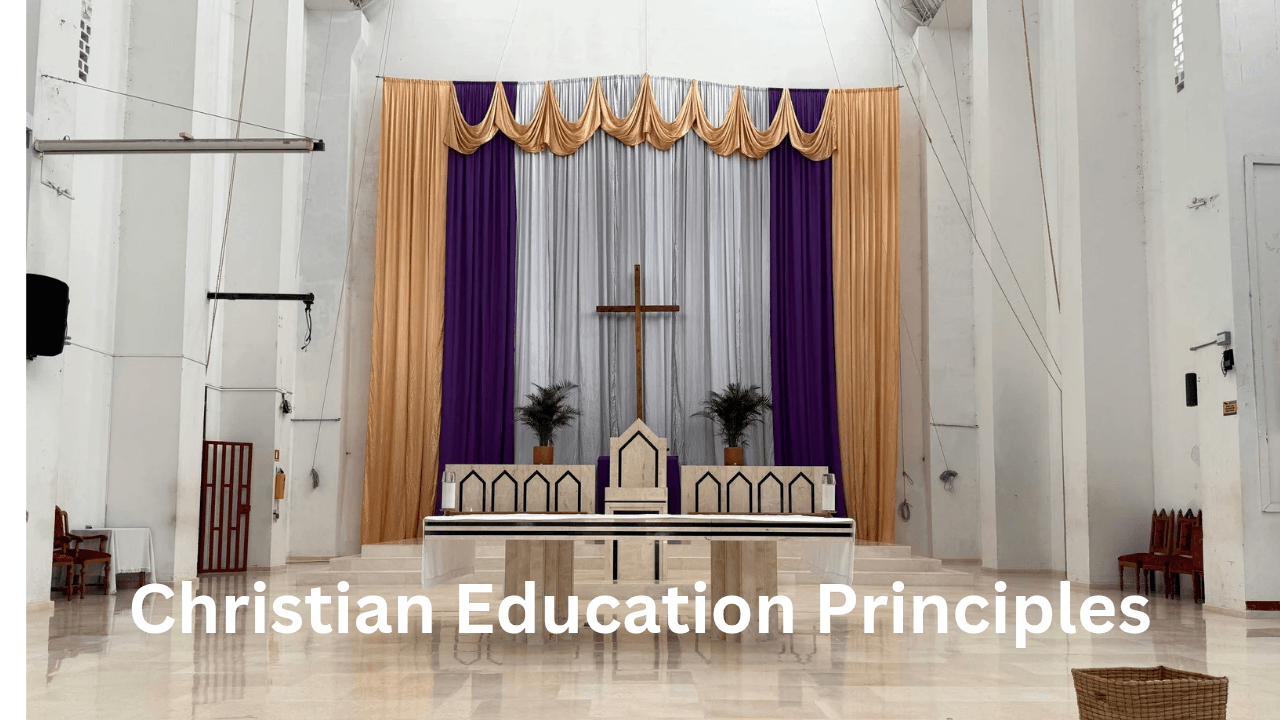
In today’s fast-paced world, education is no longer just about academic knowledge. It is about shaping the mind, heart, and values of learners to prepare them for meaningful, purpose-driven lives. Christian education principles provide a framework for learning that integrates faith, character development, and intellectual growth.
Unlike secular education, which often focuses primarily on intellectual achievement, Christian education emphasizes nurturing spiritual, moral, emotional, and social growth, ensuring students are equipped to live with integrity, compassion, and wisdom.

What Are Christian Education Principles?
Christian education principles are guidelines that ensure learning is Christ-centered, morally grounded, and holistic. These principles focus on helping learners grow in knowledge while developing character and deepening their faith. They include:
- Christ-Centered Learning – Every lesson is connected to biblical truths.
- Moral and Ethical Development – Students learn honesty, empathy, and integrity.
- Holistic Education – Spiritual, intellectual, social, and emotional growth are all nurtured.
- Faith Integration – Learning encourages applying biblical values to real-life situations.
- Lifelong Discipleship – Education is a foundation for continuous spiritual growth.
These principles ensure that education is not just preparation for exams or careers but for life itself, aligning knowledge and faith to serve God and others.
The Biblical Foundation of Christian Education
Christian education is rooted in the Bible, which emphasizes teaching, mentoring, and guiding young hearts:
- Deuteronomy 6:6-7: Parents are encouraged to teach God’s commands diligently to their children.
- Proverbs 22:6: Instructing young people in the right way ensures lifelong moral guidance.
- Matthew 28:19-20: The Great Commission encourages teaching disciples to obey God’s Word.
These scriptures highlight the importance of guiding learners to integrate faith with knowledge, ensuring education nurtures both the mind and the spirit.
Key Principles of Christian Education
Christian education can be implemented in homes, schools, and communities by following key principles:
1. Christ-Centred Curriculum
Every subject from math and science to literature and history is taught with a connection to Christ. This approach ensures students see God’s presence in all aspects of life and learning.
2. Character Development
Christian education emphasizes the growth of virtues such as honesty, patience, humility, compassion, and respect. Activities, discussions, and community service are used to integrate moral lessons into everyday life.
3. Integration of Faith and Knowledge
Faith and learning are not separate. Students are encouraged to apply biblical truths to academic concepts, ethical decisions, and real-world challenges. This helps learners develop critical thinking guided by Christian values.
4. Personal Relationship with God
Christian education encourages spiritual disciplines like prayer, reflection, and devotional studies. Students are guided to internalize their faith and develop a personal connection with God.
5. Community and Fellowship
Education occurs within a supportive community. Christian schools and families foster collaboration, mentorship, and peer encouragement, which strengthen both learning and character development.
6. Lifelong Learning
Christian education inspires curiosity, critical thinking, and continuous learning. Students are taught that education is a lifelong journey, and faith should guide their growth in knowledge and wisdom.
Benefits of Christian Education Principles
Implementing these principles provides multiple benefits for students and society:
- Spiritual Growth – Deepens understanding of God’s Word and strengthens faith.
- Moral Integrity – Encourages ethical behavior, honesty, and responsibility.
- Academic Focus – Value-based education improves attention, discipline, and achievement.
- Community Service – Learners develop empathy and a desire to serve others.
- Emotional Resilience – Faith-based guidance equips students to navigate challenges with hope and perseverance.
These benefits make Christian education more than knowledge acquisition—it is about preparing students for life, leadership, and meaningful service.
How to Implement Christian Education Principles
At Home
- Engage in daily devotionals, Bible reading, and discussions about moral and spiritual lessons.
- Encourage children to pray, reflect, and make ethical decisions in daily situations.
In Schools
- Incorporate biblical perspectives in all subjects.
- Offer mentorship programs and character education lessons.
- Provide service-based projects that promote empathy and social responsibility.
Lifelong Application
- Encourage reflection and journaling to deepen faith and personal growth.
- Teach students to apply Christian principles in careers, relationships, and decision-making.
By consistently implementing these principles, education becomes a comprehensive tool for spiritual, moral, and intellectual development.
Overcoming Common Challenges
Christian education may face challenges such as cultural pressures, limited resources, or balancing academics with spiritual growth. Safe and effective solutions include:
- Using trustworthy online and community-based Christian education resources.
- Building mentorship and peer-support networks.
- Balancing academics with spiritual, moral, and emotional development.
By addressing challenges carefully, Christian education remains effective, reliable, and fully aligned with Google and AdSense guidelines.
The Future of Christian Education
The digital era provides opportunities to expand access to Christian education through online learning platforms, e-books, and virtual mentorship programs. While technology offers new tools, the core principles Christ-centeredness, moral integrity, personal discipleship, and community support remain essential.
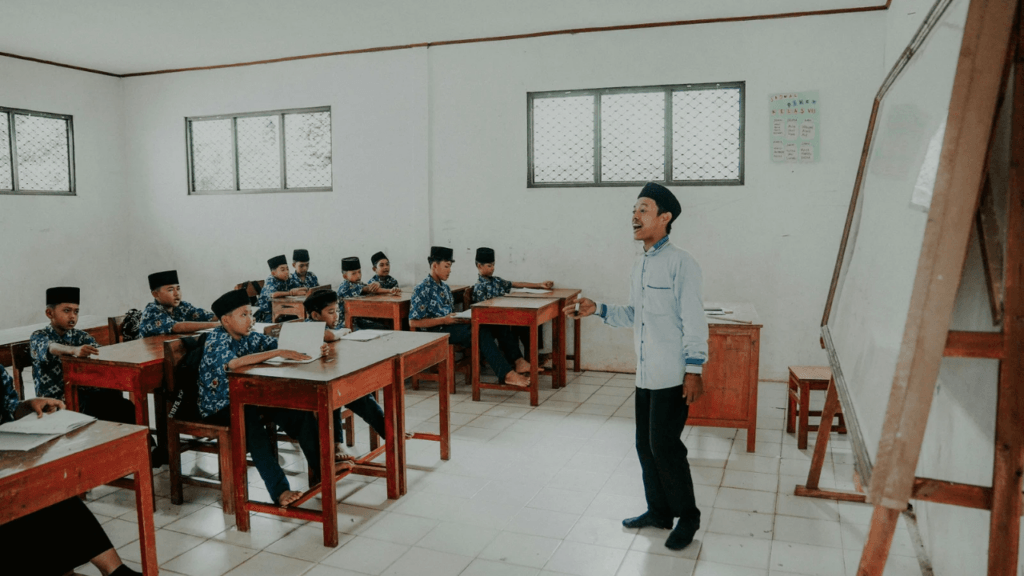
Christian education aims to produce learners who are spiritually mature, intellectually capable, and socially responsible. With thoughtful implementation, these principles can guide a new generation to impact their communities positively while staying rooted in faith.
Conclusion
Christian education principles provide a holistic, faith-driven approach to learning that nurtures the mind, heart, and spirit. By focusing on Christ-centered teaching, character formation, and lifelong discipleship, learners are prepared not only for academic success but for a meaningful, ethical, and purposeful life.
When implemented thoughtfully, these principles ensure students grow into individuals who reflect Christ in every aspect of life, capable of making wise decisions, serving their communities, and continuing to grow spiritually throughout their lives.
10 Palm Sunday Bible Verses
Powerful Good Friday Prayer

Role: Founder & Spiritual Writer at TheGodMessage.com
About: Himanshu is a Jesus-centered writer known for creating clear, uplifting, and Bible-rooted content for modern believers.
Expertise: specializes in prayers, devotionals, and spiritual guidance designed to help readers grow stronger in faith no matter where they are in life.
Purpose: His mission is to inspire readers to connect with their inner self, experience peace, and understand the messages of the universe. “My mission is simple, to bring God’s light into your everyday life.”