

Life does not always unfold the way we expect. Restoration in the Bible Sometimes we lose what we worked hard for. Sometimes relationships fracture, dreams crumble, or our own choices leave us feeling empty. In moments like these, the idea of Restoration in the Bible is more than encouraging it becomes essential.
The Bible is filled with stories of men, women, and entire nations who experienced deep loss but were brought back, healed, and made whole by God. This theme runs from Genesis to Revelation, reminding us that restoration is not just something God does it is part of who He is.
What Biblical Restoration Really Means
When we think of restoration, we often picture something being fixed or returned to its original condition. But in Scripture, restoration goes deeper. Biblical restoration is not simply replacing what was lost; it is renewing, rebuilding, and often multiplying beyond what existed before. It is God returning things to their intended purpose healing hearts, renewing minds, and restoring identity.
Restoration in the Bible
The Bible uses words like “return,” “renew,” “rebuild,” and “make whole.” These are not passive terms. They reveal God’s active involvement in taking what seems beyond repair and transforming it into something strong and beautiful. Where human hands see ruin, God sees the blueprint for renewal.
Restoration in the Old Testament
1. God Restores Individuals
The Old Testament is filled with people who hit rock bottom yet encountered God’s restoring power.
Job is one of the most powerful examples. After losing his children, his health, and everything he owned, Job held onto his integrity and faith. In the end, Scripture says God “restored his fortunes” and blessed the latter part of his life more than the beginning. Job’s story shows that even when everything collapses, God can rebuild in ways we never imagined.
Then there’s David, a man after God’s own heart who made serious mistakes. His sin with Bathsheba brought guilt, shame, and consequences. Yet when David repented, God restored his relationship with Him. Psalm 51 shows a man pleading for inner renewal, and God answered by restoring his joy and purpose.
We also see restoration in the life of Joseph. Betrayed by his brothers, sold into slavery, falsely accused, and forgotten in prison Joseph suffered deeply. But God used every moment to prepare him for a greater purpose. Joseph was elevated to leadership in Egypt and eventually restored to his family. His story tells us that human betrayal cannot stop God’s restoration plan.
2. God Restores Communities and Nations
Restoration in the Bible- Restoration is not just personal; it is also communal.
One of the greatest examples is the return of Israel from exile. After years of captivity, God brought His people back to their land, rebuilt Jerusalem, restored worship, and renewed hope. Books like Ezra, Nehemiah, and the prophetic writings of Isaiah and Ezekiel reveal a God who rebuilds ruins and breathes life into dry bones.
Isaiah 61 is one of the Bible’s most powerful restoration passages. It promises “beauty for ashes,” “joy instead of mourning,” and “a garment of praise instead of a spirit of despair.” This is God’s heart to exchange sorrow for joy and ruin for renewal.
3. God Renews Covenant Relationship
Throughout the Old Testament, we also see God restoring His covenant with His people.
After Israel worshiped the golden calf, Moses interceded, and God renewed His covenant. Later, during King Josiah’s reign, the nation rediscovered God’s Word and restored true worship. These moments show that restoration often begins with returning to God’s truth and His presence.
Restoration in the New Testament
1. Jesus as the Restorer
When Jesus entered the world, He brought restoration everywhere He went. His mission was described in Luke 4:18–19 healing the broken-hearted, setting captives free, giving sight to the blind, and announcing God’s Favor. Jesus restored not only bodies but hearts, dignity, identity, and hope.
One of the most touching stories is Jesus restoring Peter. After denying Jesus three times, Peter felt unworthy and defeated. But Jesus met him on the shore after the resurrection and asked, “Do you love me?” With each answer, Jesus restored what had been broken and entrusted Peter with a mission. This shows that failure does not disqualify us from God’s purpose.
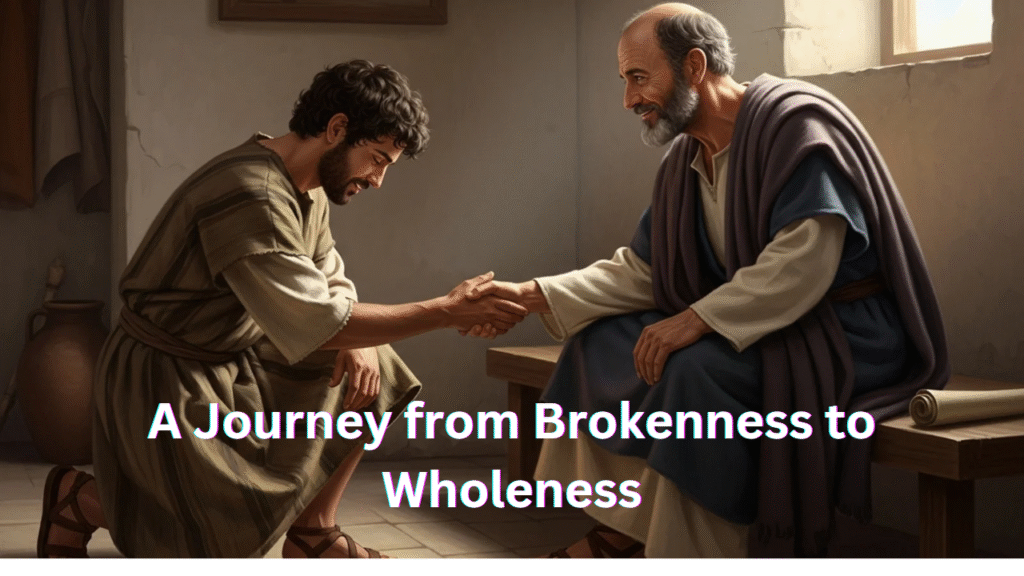
2. Restoration of Relationship with God
At its core, the gospel is a story of restoration. Humanity’s relationship with God was broken by sin, but through Jesus’ sacrifice, that relationship is made whole again. The New Testament calls this “reconciliation” a restored friendship between God and people.
This restoration is not just the removal of guilt. It brings peace, identity as God’s children, and the promise of eternal life. When God restores, He restores fully.
3. Restoration of Community
Restoration in the Bible also shaped the early Church in the book of Acts. People who once had little in common became a family sharing meals, resources, prayer, and life together. Broken social barriers were healed, and unity became a powerful testimony of God’s work.
The Process of Biblical Restoration
Restoration is a beautiful promise, but it is also a process. The Bible shows several steps that often mark this journey:
1. Repentance
Restoration begins with honesty acknowledging our need for God and turning back to Him.
2. Surrender
Letting go of control and trusting God to rebuild what we cannot.
3. Obedience
Taking small, daily steps of faith just as Nehemiah and the people rebuilt Jerusalem’s walls one stone at a time.
4. Healing
Allowing God to mend emotional wounds, restore confidence, and replace lies with truth.
5. Rebuilding
God restores us spiritually, but He also guides us in restoring relationships, purpose, and direction.
Principles We Learn About God’s Restoration
From all these stories, several truths stand out:
- God restores more than we lost His restoration is abundant.
- No one is too far gone for God’s healing.
- Restoration is often gradual but always intentional.
- God uses broken seasons to prepare us for greater purpose.
- When God restores, He restores inside first then outward circumstances follow.
The Ultimate Promise of Restoration
The Bible ends with the greatest restoration of all: a new heaven, a new earth, and a renewed creation. In Revelation, God promises to wipe away every tear, remove pain forever, and restore perfect peace. What was broken in Genesis is fully restored at the end of the story.
This promise gives us hope today we are moving toward a future where restoration is complete and eternal.
How Believers Can Experience Restoration Today
Restoration is not just a biblical theme Restoration in the Bible; it is a present reality for every believer. We experience it when we:
- Invite God into our broken places.
- Let go of guilt and allow Him to heal our past.
- Forgive others and rebuild relationships.
- Spend time in prayer, worship, and Scripture.
- Trust God with our future, even when we do not see the full picture.
God restores marriages, families, dreams, identities, and faith. No matter what you have lost, God can rebuild it. No story is too damaged for His hands.
Conclusion
Restoration in the Bible is God’s heartbeat. From the first page of the Bible to the last, He meets people in their brokenness and brings them back to life. Whether you feel lost, hurt, or empty, know this: God is still a Restorer. He can heal your past, strengthen your present, and give you hope for the future. The same God who restored Job, David, Peter, and the nation of Israel can restore you.
Your story is not over and with God, Restoration in the Bible the best chapters are still ahead.
Is Church a Good Place to Meet Women Honest

Role: Founder & Spiritual Writer at TheGodMessage.com
About: Himanshu is a Jesus-centered writer known for creating clear, uplifting, and Bible-rooted content for modern believers.
Expertise: specializes in prayers, devotionals, and spiritual guidance designed to help readers grow stronger in faith no matter where they are in life.
Purpose: His mission is to inspire readers to connect with their inner self, experience peace, and understand the messages of the universe. “My mission is simple, to bring God’s light into your everyday life.”