
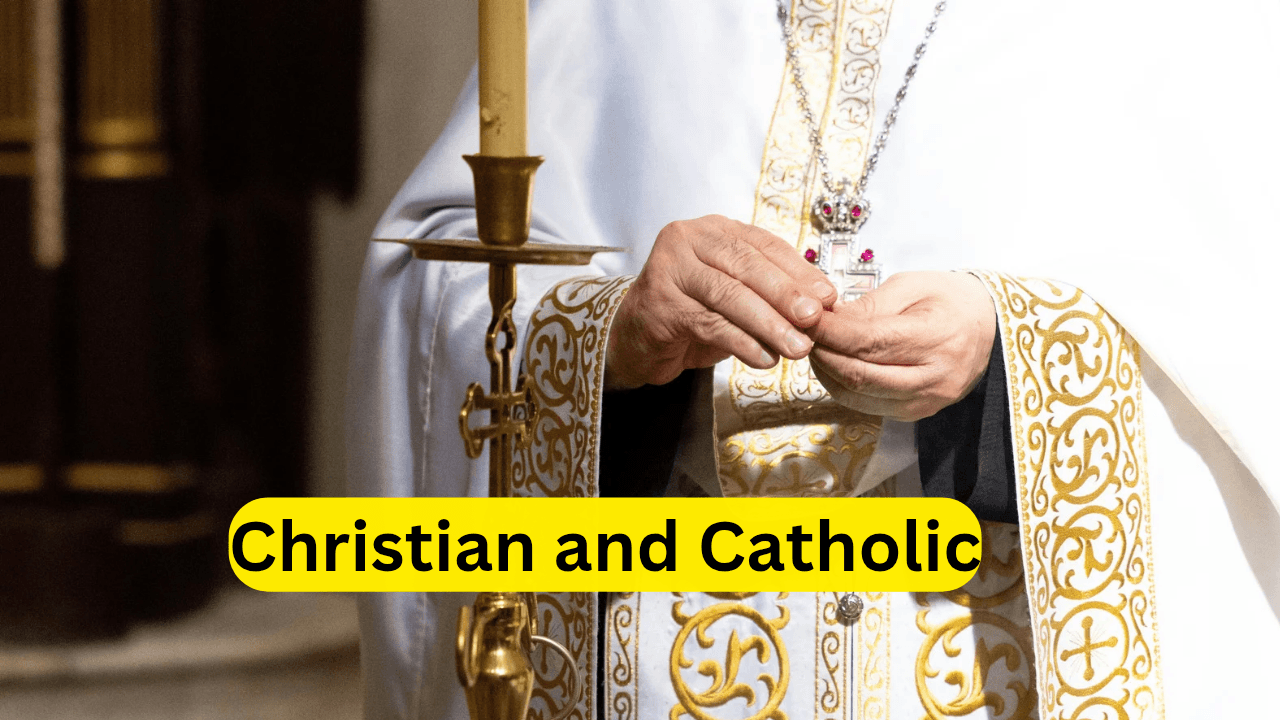
Faith has always been one of the most powerful forces shaping human life. Across centuries and cultures, millions of people have turned to the teachings of Jesus Christ to find purpose, hope, and guidance. Within this global faith community, the terms Christian and Catholic are often discussed together, sometimes creating confusion about their meaning and relationship.
To understand the connection between Christian and Catholic, it is helpful to see the bigger picture of Christianity itself. Christianity is the broad faith that follows the life and teachings of Jesus Christ, while Catholicism is one of the largest and oldest branches within that faith tradition.
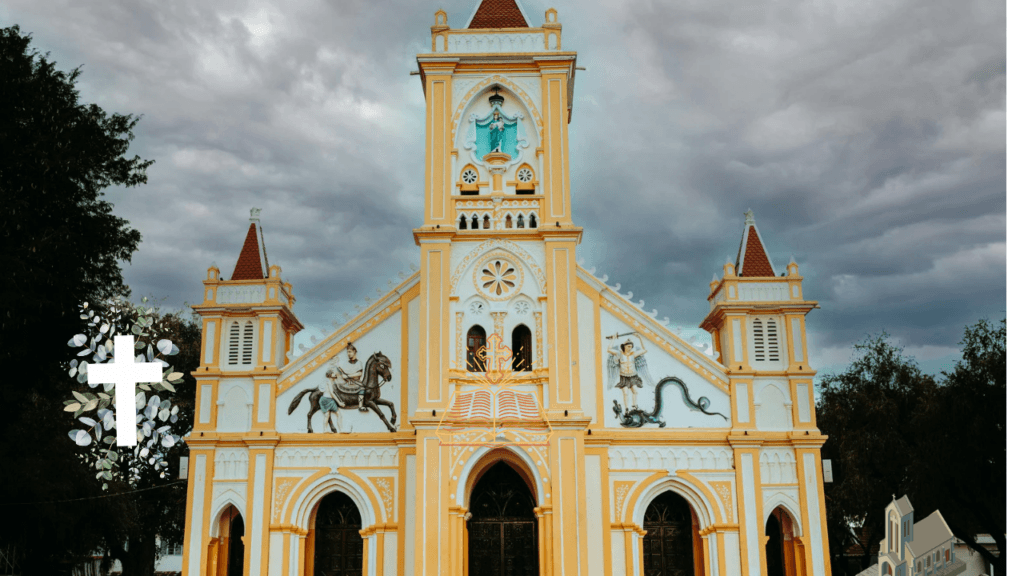
This article explores the relationship between Christian and Catholic, highlighting their shared beliefs, historical roots, and spiritual practices. Through reflection, Scripture, and practical insight, we will see how both traditions ultimately point toward the same goal: living a life centered on Christ.
The Meaning of Christian and Catholic
The word Christian refers broadly to anyone who follows Jesus Christ and believes in His teachings. Over time, Christianity developed into several branches such as Catholic, Orthodox, and Protestant communities.Catholicism, on the other hand, refers specifically to the Roman Catholic Church, which emphasizes the authority of church tradition, the sacraments, and the leadership of the Pope.
In simple terms:
- All Catholics are Christians
- Not all Christians are Catholics
This relationship between Christians and Catholic shows that they are not opposing beliefs but connected expressions of the same faith.
Shared Foundations of Christian and Catholic Faith
Despite differences in practice, the foundation of Christians and Catholic belief is remarkably similar.
Both traditions believe in:
- Jesus Christ as the Son of God
- The Holy Trinity: Father, Son, and Holy Spirit
- The authority of the Bible
- Salvation through Christ
- The importance of love, forgiveness, and grace
These shared truths reveal that the relationship between Christians and Catholic is rooted deeply in the same spiritual heritage.
At the heart of both traditions is the message of the Gospel: that God loves humanity and offers redemption through Jesus.
A Brief History of Christian and Catholic Traditions
Understanding the history of Christian and Catholic faith helps clarify their relationship.
The earliest Christian community began shortly after the resurrection of Jesus. Over time, churches developed leadership structures and traditions to preserve the teachings of Christ.
For centuries, the early church functioned largely as a unified body. Later historical events and theological debates led to the emergence of different branches of Christianity.
The Catholic Church remained one of the most influential expressions of Christianity, preserving ancient traditions, sacraments, and leadership structures that shaped Christian history for nearly two thousand years.
Today, discussions about Christians and Catholic identity often revolve around how these traditions interpret Scripture, church authority, and worship practices.
Key Spiritual Differences Between Christian and Catholic Practice
Although the core beliefs remain the same, some practices differ between Christian and Catholic traditions.
Authority in Faith
Many Protestant Christians emphasize Scripture alone as the primary authority for faith and doctrine. Catholics, however, believe that both Scripture and sacred tradition guide the church’s teachings.
Role of the Church
Catholics recognize the Pope and the hierarchical structure of the church as spiritual leadership. Other Christian communities often rely on local church leadership rather than a central authority.
Sacraments
The Catholic Church recognizes seven sacraments, including baptism, communion, confession, and marriage. Many other Christian denominations focus mainly on two sacraments: baptism and communion.
These differences in Christian and Catholic practices highlight the diversity within Christianity rather than division.
Spiritual Reflection: What Christian and Catholic Believers Share
When we look beyond theological debates, we discover something deeper.
Both Christian and Catholic believers share a desire to:
- grow closer to God
- follow the teachings of Jesus
- love others with compassion
- live lives that reflect faith and humility
At the center of both traditions lies a call to transformation.
Faith is not only about doctrine; it is about becoming more like Christ each day.
Daily Spiritual Reflection for Christian and Catholic Believers
Inspired by devotional-style structures, here are several spiritual reflections that apply to both Christian and Catholic believers.
Day 1: Seek God First
Scripture
“Seek first the kingdom of God and His righteousness.” — Matthew 6:33
Reflection
In both Christian and Catholic traditions, spiritual growth begins with prioritizing God above everything else. When leaders, families, and communities seek God first, clarity and peace follow.
Prayer
Lord, guide my heart today so that every decision reflects Your wisdom.
Day 2: Walk in Love
Scripture
“Love one another as I have loved you.” — John 13:34
Reflection
Love is the central command in both Christian and Catholic teaching. True faith is visible not in arguments about doctrine but in acts of kindness and compassion.
Prayer
Father, teach me to love people the way You love them.
Day 3: Practice Humility
Scripture
“God opposes the proud but shows favor to the humble.” — James 4:6
Reflection
Humility allows both Christians and Catholic believers to grow spiritually. Pride divides people, but humility unites communities in faith.
Day 4: Trust God’s Guidance
Scripture
“Trust in the Lord with all your heart.” — Proverbs 3:5
Reflection
Faith requires trust. Whether in a cathedral or a small church gathering, both Christian and Catholic believers rely on God’s guidance through life’s uncertainties.
Day 5: Serve Others
Scripture
“The greatest among you will be your servant.” — Matthew 23:11
Reflection
Service lies at the heart of both Christians and Catholic spiritual practice. Faith grows stronger when believers serve others with humility.
The Power of Unity in Christian and Catholic Communities
Although differences exist, unity remains one of the most powerful themes connecting Christian and Catholic believers.
Jesus prayed for unity among His followers, emphasizing love over division. When believers focus on Christ rather than differences, they build stronger communities and deeper spiritual understanding.
Today, many churches encourage dialogue and cooperation between Christian and Catholic communities to promote peace, compassion, and shared faith.
Why Understanding Christian and Catholic Faith Matters Today
In a world often divided by misunderstanding, learning about Christians
and Catholic traditions can build respect and unity.
Understanding these traditions helps believers:
- grow spiritually
- appreciate different perspectives
- strengthen their relationship with God
- promote unity among Christians
Instead of focusing on division, believers can celebrate the shared mission of spreading hope, love, and faith.
Conclusion: Faith That Leads to Transformation
The relationship between Christian and Catholic traditions reflects the beauty and diversity within the global Christian faith.
While different practices and traditions exist, both paths ultimately lead believers toward the same purpose: knowing God and living according to the teachings of Jesus Christ.
When we look beyond labels, we see a deeper truth. Faith is not about proving who is right; it is about becoming more like Christ.
Both Christian and Catholic believers are invited to walk a journey of faith marked by humility, love, service, and spiritual growth.
In the end, the most powerful testimony of faith is not found in debate but in a transformed life a life that reflects God’s grace, compassion, and truth every day.
Christ centered counseling

Role: Founder & Spiritual Writer at TheGodMessage.com
About: Himanshu is a Jesus-centered writer known for creating clear, uplifting, and Bible-rooted content for modern believers.
Expertise: specializes in prayers, devotionals, and spiritual guidance designed to help readers grow stronger in faith no matter where they are in life.
Purpose: His mission is to inspire readers to connect with their inner self, experience peace, and understand the messages of the universe. “My mission is simple, to bring God’s light into your everyday life.”