

Money plays an important role in everyday life. It provides security, supports families, and helps people meet their needs. Yet the Bible teaches that while money is useful, it should never become the center of our lives. Instead, God calls believers to handle money with wisdom, generosity, and faith.
Understanding what the Bible says about money helps Christians develop a healthy relationship with wealth. Scripture does not condemn money itself, but it warns about the dangers of loving money more than God. At the same time, the Bible offers powerful guidance about earning, saving, giving, and trusting God as our ultimate provider.
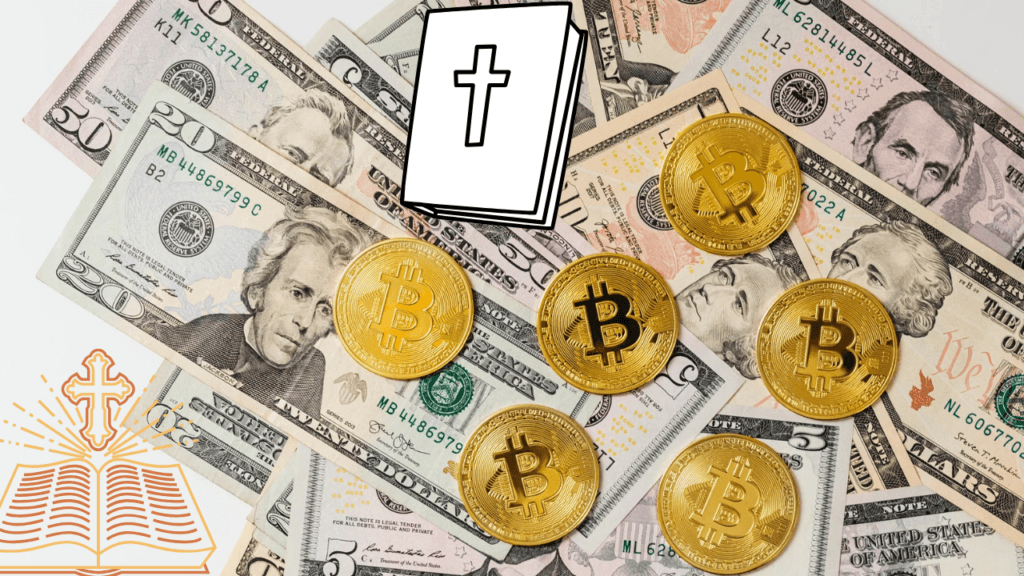
From the teachings of Jesus to the wisdom of Proverbs, the Bible provides timeless principles that can guide our financial decisions today. When believers follow biblical wisdom about money, they experience not only financial discipline but also spiritual growth.
Let’s explore what the Bible truly teaches about money and What the Bible Says About Money and how these teachings can shape a faithful and balanced life.
What the Bible Says About Money ?
1. Money Is Not Evil, But the Love of Money Is Dangerous
One of the most misunderstood teachings in the Bible concerns money itself. Many people believe the Bible says money is evil, but the scripture actually warns against the love of money.
Bible Verse
1 Timothy 6:10
“For the love of money is a root of all kinds of evil.”
This verse teaches that money itself is neutral. The real problem begins when money becomes an idol in a person’s heart.
When people chase wealth above all else, they may compromise their values, relationships, and faith. The Bible encourages believers to keep God first and treat money as a tool rather than a master.
2. God Is the True Source of Wealth
The Bible reminds us that everything we have ultimately comes from God. Our abilities, opportunities, and resources are blessings from Him.
Bible Verse
Deuteronomy 8:18
“But remember the Lord your God, for it is he who gives you the ability to produce wealth.”
This verse teaches humility. Even when we work hard for our income, our talents and opportunities are gifts from God.
Recognizing God as the source of our blessings encourages gratitude and responsible stewardship.
3. The Bible Encourages Wise Financial Stewardship
Stewardship means managing resources responsibly. The Bible encourages believers to be wise with the money and possessions entrusted to them.
Bible Verse
Luke 16:10
“Whoever can be trusted with very little can also be trusted with much.”
God values faithfulness in small financial responsibilities. Managing money wisely through budgeting, saving, and responsible spending reflects spiritual maturity.
Good stewardship means using money not only for personal needs but also for God’s purposes.
4. Generosity Is a Central Biblical Principle
One of the strongest themes in the Bible about money is generosity. God calls His people to give freely and help those in need.
Bible Verse
2 Corinthians 9:7
“God loves a cheerful giver.”
Giving is not just about charity; it is an act of faith and worship. When believers give generously, they demonstrate trust in God’s provision.
Generosity can include:
- Helping the poor
- Supporting churches and ministries
- Giving to those in need
The Bible promises that generosity often leads to blessings, both spiritually and materially.
5. The Bible Warns Against Greed
Greed is a strong desire for more money or possessions without regard for others or God.
Bible Verse
Luke 12:15
“Watch out! Be on your guard against all kinds of greed.”
Jesus often warned about greed because it can slowly take control of the human heart. When wealth becomes the primary focus of life, people lose sight of what truly matters.
The Bible encourages believers to find contentment in God rather than material possessions.
6. Hard Work Is Honored in the Bible
The Bible strongly supports honest work and diligence.
Bible Verse
Proverbs 14:23
“All hard work brings a profit.”
Working diligently is a way to honor God and provide for our families. The Bible teaches that laziness leads to poverty, while dedication and discipline bring stability.
Christians are encouraged to approach their work with integrity and commitment.
7. Saving and Planning Are Wise
The Bible also encourages wise planning and saving for the future.
Bible Verse
Proverbs 6:6–8
“Go to the ant, you sluggard; consider its ways and be wise.”
Ants store food for the future, demonstrating foresight and preparation. Likewise, believers are encouraged to plan wisely and avoid reckless financial decisions.
Saving money and preparing for future needs are signs of wisdom, not a lack of faith.
8. Contentment Is Greater Than Wealth
One of the most powerful teachings about money in the Bible is the value of contentment.
Bible Verse
Hebrews 13:5
“Keep your lives free from the love of money and be content with what you have.”
True peace does not come from accumulating wealth but from trusting God and appreciating what we already have.
Contentment protects the heart from envy and constant dissatisfaction.
9. Helping the Poor Is a Biblical Responsibility
Throughout scripture, God shows deep concern for the poor and vulnerable.
Bible Verse
Proverbs 19:17
“Whoever is kind to the poor lends to the Lord.”
Helping those in need reflects God’s love and compassion. When believers care for the poor, they participate in God’s work of justice and mercy.
10. Eternal Treasure Matters More Than Earthly Wealth
Jesus reminded His followers that spiritual riches are far more valuable than material wealth.
Bible Verse
Matthew 6:19–21
“Do not store up for yourselves treasures on earth… but store up treasures in heaven.”
Money and possessions are temporary, but spiritual investments faith, love, and good works have eternal value.

Christians are encouraged to focus on eternal priorities rather than temporary riches.
Key Lessons that what the Bible says about money
From these teachings, we can summarize several biblical principles about money:
- Money itself is not evil.
- God is the source of our financial blessings.
- Believers should practice wise stewardship.
- Generosity reflects God’s heart.
- Greed leads to spiritual danger.
- Hard work is honorable.
- Planning and saving are wise.
- Contentment brings peace.
These principles help believers develop a healthy and balanced approach to finances.
Conclusion
Money is an important part of life, but the Bible reminds us that it should never become the center of our hearts. When we understand what the Bible says about money, we discover that God cares deeply about how we manage the resources He has entrusted to us.
Scripture teaches that wealth itself is not evil, but the love of money can lead people away from God. Instead of pursuing riches above all else, believers are called to practice wise stewardship, generosity, humility, and contentment. When money is used responsibly and with faith, it becomes a tool for blessing others and honoring God.
The Bible also reminds us that true security does not come from bank accounts or possessions but from trusting the Lord as our provider. While money can meet temporary needs, a relationship with God offers eternal riches that no earthly wealth can replace.
Ultimately, the greatest lesson about money in the Bible is this: when we place God first, everything else finds its proper place. By seeking His kingdom and following His wisdom, we can handle money with integrity, generosity, and faith.
9 Christian Habits that will Transform your life

Role: Founder & Spiritual Writer at TheGodMessage.com
About: Himanshu is a Jesus-centered writer known for creating clear, uplifting, and Bible-rooted content for modern believers.
Expertise: specializes in prayers, devotionals, and spiritual guidance designed to help readers grow stronger in faith no matter where they are in life.
Purpose: His mission is to inspire readers to connect with their inner self, experience peace, and understand the messages of the universe. “My mission is simple, to bring God’s light into your everyday life.”