
Some experiences are simple but unforgettable.
For me, tent revival meetings fall right into that category. Even if you have never stepped inside one, the idea immediately brings a picture to mind warm lights glowing under canvas, the sound of hymns drifting into the night, families gathering in folding chairs, and a preacher speaking with a kind of raw honesty that feels rare today.
Tent revival meetings are more than religious gatherings.
They are part of American memory, woven into the culture of rural life, small towns, and spiritual communities that value humility over grand buildings and connection over formality.
In this article, I want to explore the real story of tent revivals where they came from, why they mattered, and why they still draw people today. This is not just history; it’s a look at a tradition that shaped millions of lives, including people in my own family.
A Short Personal Reflection
My own introduction to Tent Revival Meetings came from stories told by my uncle, who grew up in a community where the annual summer revival was treated almost like a festival.
He described the anticipation, the music, the neighbors greeting each other after long weeks of hard work.
Even today, when he talks about those nights, there is a softness in his voice like he is remembering something warm and irreplaceable.
Those memories inspired me to learn more about tent revivals and why they remain meaningful to so many.
If I am being honest, I had no interest in going to any tent revival meetings until I heard from my uncle about this and he convinced me to come and attend this meeting at least once, and that was one of the best moments of my life.
What Exactly Is a Tent Revival Meeting?
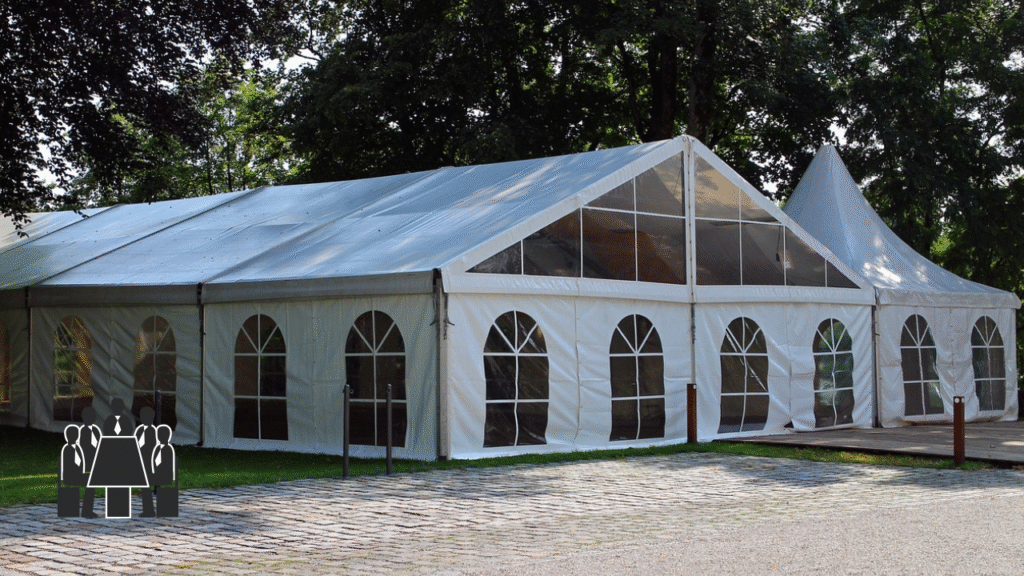
The tent revival meetings is a Christian gathering held outdoors under a large canvas tent, usually lasting several nights. Preaching, singing, testimony, prayer, and community bonding are key elements of this event.
Typical features include:
• A traveling evangelist or local preacher
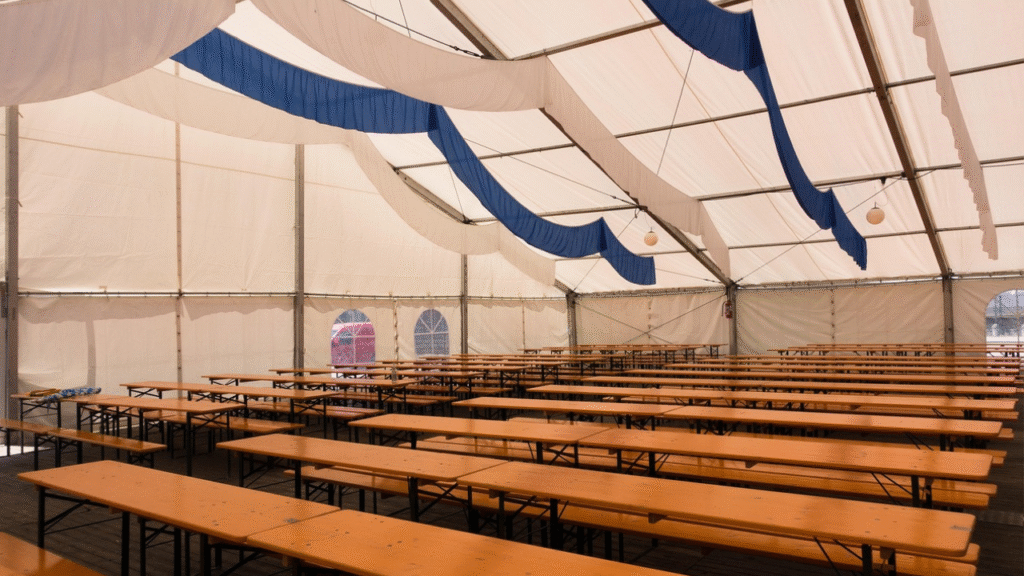
• Wooden or metal folding chairs
• Lanterns or bulbs suspended from the tent’s centre poles
• Hymns and gospel music
• People gathered from different cities
• A focus on new beginnings, healing, and hope
But beyond the design, what makes the tent special is its authentic, simple, open, and very human atmosphere.
Where Tent Revivals Came From
Tent revivals became popular during the Second Great Awakening (late 1700s–early 1800s). America was young, rural, and spread out. Churches were small and far apart. Preachers realized that instead of waiting for people to come to them, they could go to the people.
So, they travelled with:
- A wagon
- A canvas tent
- A Bible
- A small group of singers or helpers
They set up in fields, farmlands, or empty lots. People travelled miles sometimes walking to attend.
Why They Became So Popular
It became popular Because they offered something people desperately needed:
- Hope during difficult economic times
- Community for isolated rural families
- Encouragement during seasons of loss or uncertainty
- A break from routine life
- A chance to gather with neighbours
The meetings became powerful cultural events, not just spiritual ones.
The Experience: What It Feels Like Under the Tent
Even today, anyone who attends a Tent Revival Meetings will notice the same things people described a century ago:
1. The Music
Not polished. Not theatrical.
Just voices, guitars, tambourines, harmonies simple and heartfelt.
2. The Atmosphere
Grass or dirt under your feet.
The tent fabric shifting with the breeze.
A sense of anticipation you can feel in your chest.
3. The Preaching
Often emotional.
Often passionate.
Sometimes quieter, reflective, and deeply personal.
4. The People
Children running around the edges of the tent.
Families sitting close.
Neighbours catching up.
Visitors slipping quietly into the back rows.
It feels like community in its purest form. And from my personal experience, if you attend one even once in your life, you will never forget the experience, and it will become one of the best moments of your life. So, take some time out of your busy schedule and attend a Tent Revivals meeting.
Why Tent Revivals Still Happen Today
Some traditions fade away with time, but tent revivals have held on especially in small towns and rural areas.
Modern reasons people still attend:
- A break from digital life
No screens. No noise. Just real human voices. - A search for meaning
Many people feel disconnected and overwhelmed. Revivals offer quiet simplicity. - Curiosity and nostalgia
Even non-religious visitors sometimes attend out of interest. - Community bonding
Tent revivals still feel like an “everyone welcome” event.
Not Everyone Views Tent Revivals the Same Way and That is Okay
Every person has their own experience and own vision to see the things. A person attends Tent Revivals may there is possibility he will not experience as I.
Tent revival meetings endure because they blend history, emotion, and community in a way few other events do. They strip everything down to what matters most people, connection, hope, and the shared search for meaning.
In a noisy world, the simplicity of a tent, a group of voices, and a shared moment under the night sky is something many people still find deeply moving, it’s fair to note:
Positive perspectives:
- Emotional encouragement
- Community spirit
- Tradition and culture
- Messages of hope
- Human connection
Criticisms sometimes mentioned:
- Some preachings can feel intense
- Not everyone relates to revival-style services
- Weather conditions can be uncomfortable
- Traveling revivals vary widely in tone and quality
This balanced view increases content credibility.
The Cultural Legacy of Tent Revivals
Tent revivals influenced:
- Early American gospel music
- Local traditions and festivals
- The growth of small rural churches
- Traveling evangelistic ministries
- Community volunteerism and outreach
Even if someone never attended one, the revival culture shaped American values of:
- Togetherness
- Resilience
- Faith
- Helping neighbor’s
Final Thoughts
Tent revival meetings are more than historical events; they are a living tradition that still carries meaning today. In a world filled with fast information and digital distractions, a simple canvas tent filled with real people, real music, and real connection feels surprisingly refreshing.
Whether someone attends for faith, curiosity, community, or nostalgia, the heart of the revival remains the same:
A place where people gather, reflect, and walk away feeling just a little lighter.
Do tent revivals still take place today?
Yes. Many churches and ministries still hold them, especially in the American South and Midwest.
Do you have to be religious to attend one?
Not at all. Many people attend simply for the music, atmosphere, or sense of community.
Are modern tent revivals the same as historical ones?
Some are traditional, while others use modern music or contemporary preaching styles.

Role: Founder & Spiritual Writer at TheGodMessage.com
About: Himanshu is a Jesus-centered writer known for creating clear, uplifting, and Bible-rooted content for modern believers.
Expertise: specializes in prayers, devotionals, and spiritual guidance designed to help readers grow stronger in faith no matter where they are in life.
Purpose: His mission is to inspire readers to connect with their inner self, experience peace, and understand the messages of the universe. “My mission is simple, to bring God’s light into your everyday life.”